
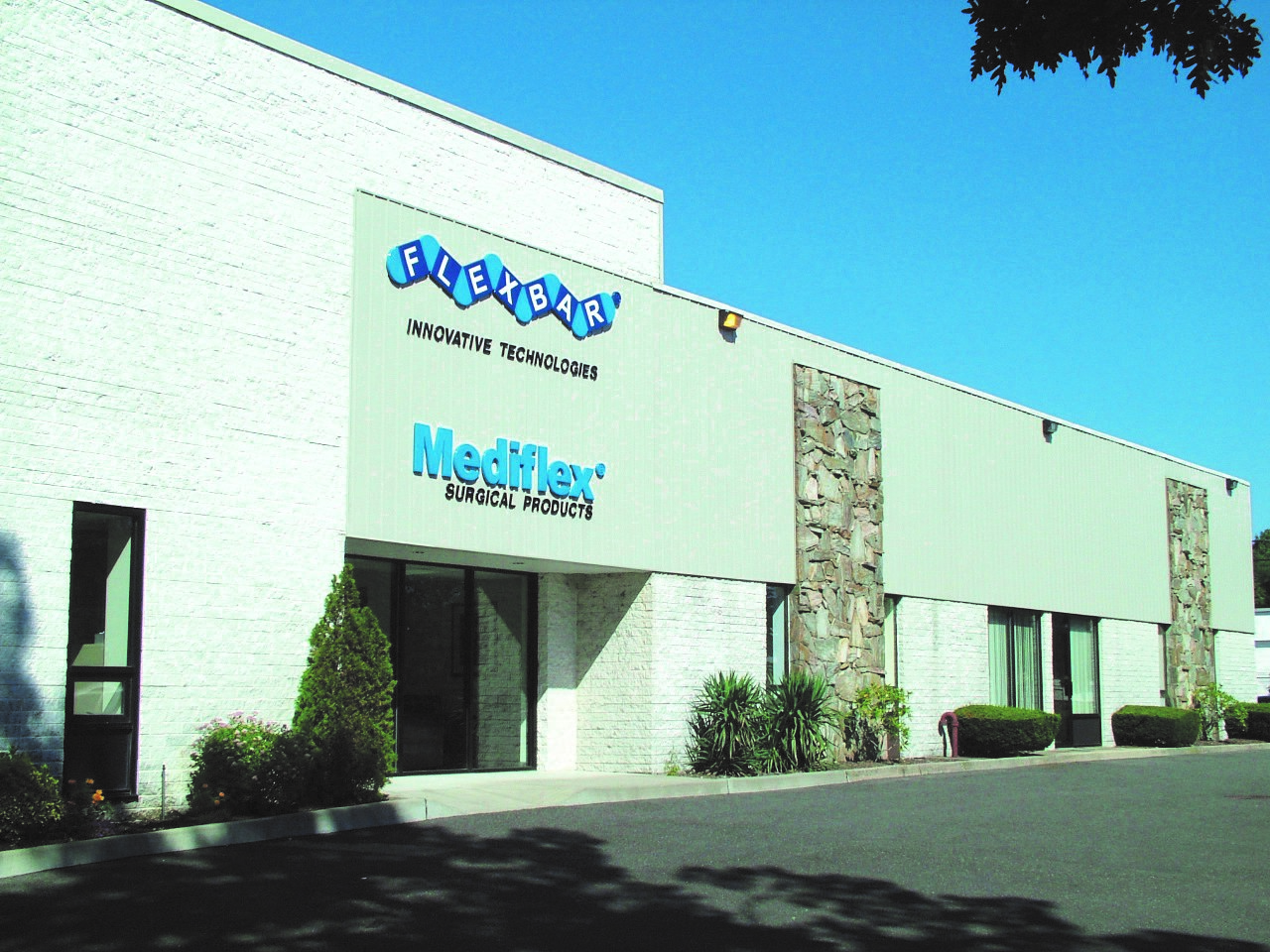
At novus med, we are proud to work in partnership with Mediflex®, a company with a long-standing reputation for innovation, quality, and surgeon-focused design.
Founded in 1969, Mediflex® began with a simple but powerful idea: to create surgical solutions that improve access, stability, and efficiency in the operating theatre. From their earliest developments in flexible medical technology, the company has grown into a globally recognised manufacturer of holding, positioning, and retraction systems used across open, laparoscopic, urology, and endoscopic procedures.
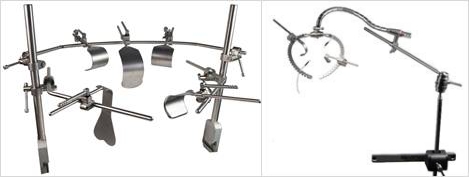
What has remained constant throughout Mediflex® history is their commitment to practical innovation. Their products are developed in close collaboration with clinicians, ensuring that each solution addresses real challenges faced in theatre, whether that is reducing reliance on assistants, improving exposure, or supporting safer and more efficient workflows.
As a family-owned business, Mediflex® has maintained a strong focus on quality, consistency, and long-term relationships. Over more than five decades, their portfolio has expanded to include trusted systems such as StrongArm® and FlexArm™ holding platforms, Universal Round Bar and Bookler retraction systems, and specialty solutions like DynaTrac®, CystoAssist®, and bronchoscopy stabilisation devices. Each product reflects a philosophy of thoughtful design rather than unnecessary complexity.
novus med shares these same values. We believe that surgical technology should be dependable, adaptable, and designed to support clinical teams, not complicate their work. Our partnership with Mediflex® allows us to bring proven, surgeon-led solutions to healthcare providers across the UK, supported by local expertise and service.
Together, novus med and Mediflex®are focused on helping surgical teams work more efficiently, with greater control and confidence, while continuing to support innovation that ultimately benefits patient care.
If you would like to learn more about Mediflex® solutions or discuss how they may support your surgical practice, please contact the novus med team.


 Call
Call 

