
In every part of the NHS, from busy operating theatres to fast-paced wards, one thing remains constant: the system depends on its people. Staff are the backbone of patient care, yet the physical demands placed on them, particularly when it comes to moving and handling patients, are often underestimated.
Manual handling is part of daily life in healthcare. Repositioning patients, supporting mobility, and carrying out transfers are routine tasks, but they come with a very real cost. Musculoskeletal injuries remain one of the most common causes of staff absence across the NHS, impacting not only individual wellbeing but also team capacity, morale, and overall service delivery. What makes this especially challenging is that many of these injuries are preventable.
There is a growing shift away from traditional “manual” handling towards safer, more supported approaches. The focus is no longer on how staff can manage the physical strain, but on how we can remove it altogether. Assistive technologies are playing a key role in this transition, helping reduce the need for lifting and creating safer environments for both patients and caregivers.
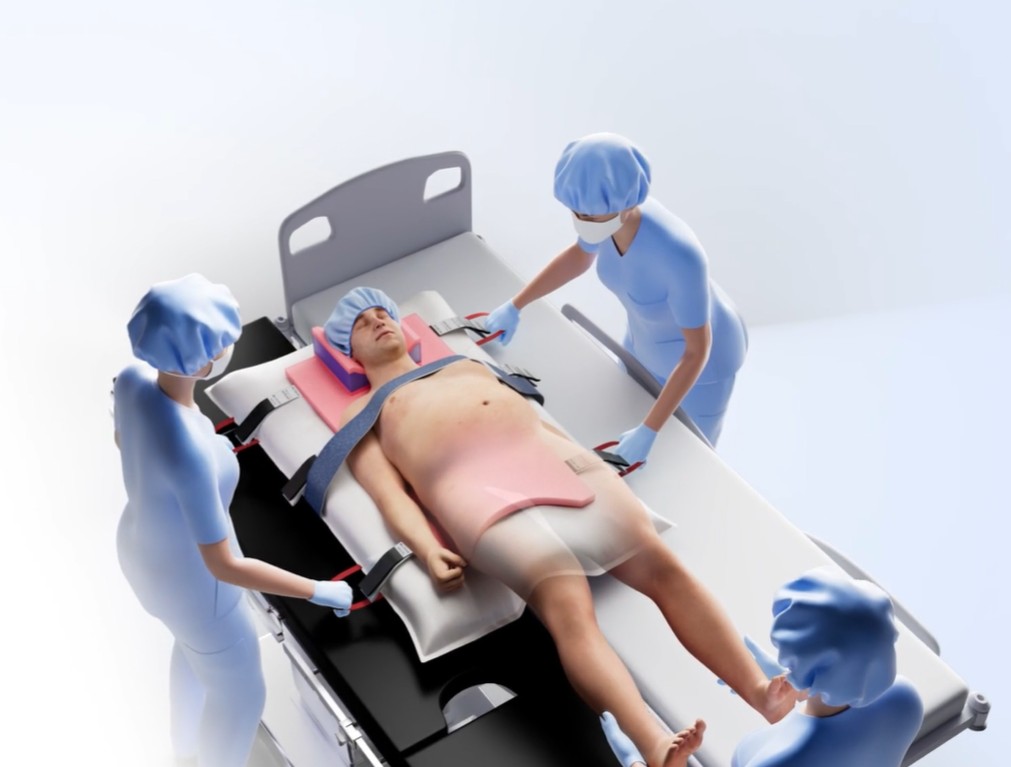
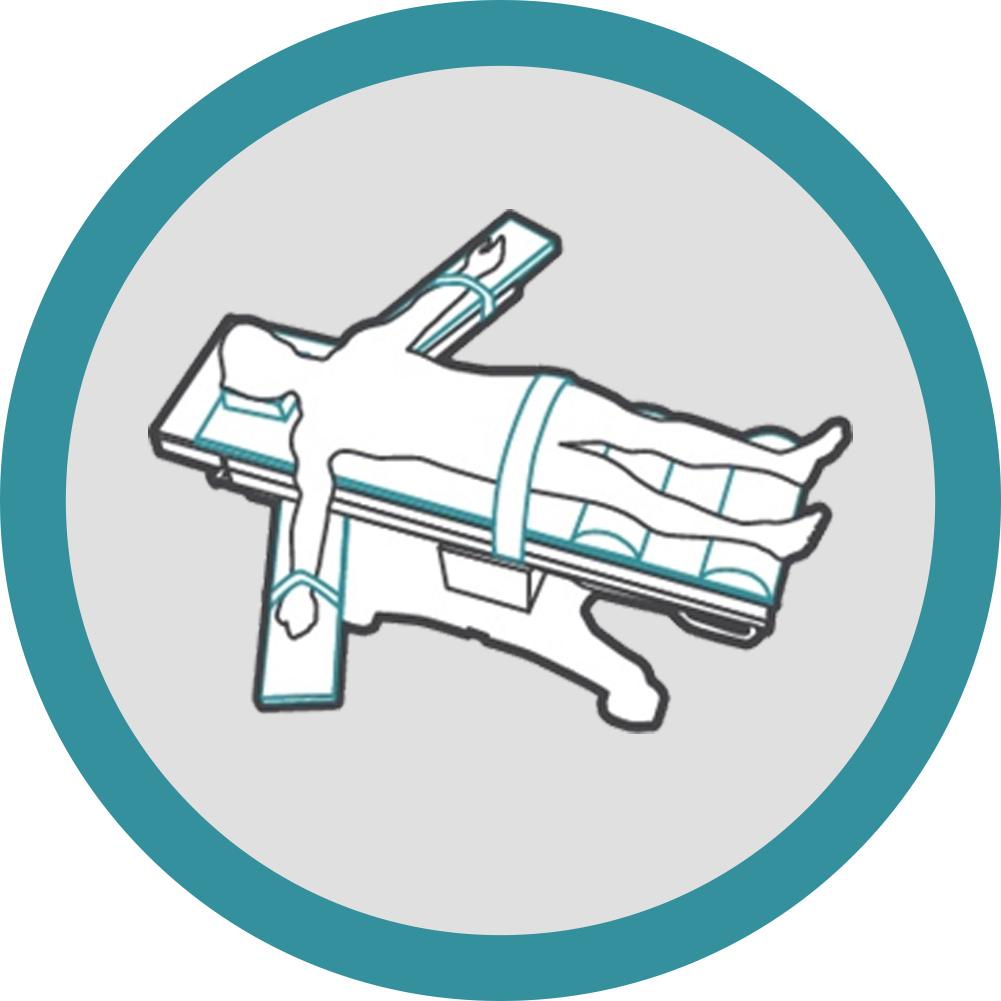
Solutions like the PinkPad Air Assist are designed with this goal in mind. By using air-assisted technology, it enables smooth, controlled patient transfers with minimal physical effort, all whilst allowing the patient to be positioned in Steep Trendelenburg, Reverse Trendelenburg and Lateral Tilt without having to remove the system. Tasks that once required multiple staff members and significant exertion can be carried out more safely and efficiently. This not only reduces the risk of injury but also supports better patient outcomes, particularly for those who are unable to assist in their own movement.
However, introducing new equipment is only part of the solution. Real change happens when technology is supported by education. Providing staff with practical, relevant moving and handling training helps build confidence, encourages consistent use of safer techniques, and ensures that equipment is used to its full potential. It shifts the culture from reactive to proactive, where protecting staff becomes embedded in everyday practice.
Ultimately, safeguarding the NHS workforce is about recognising that staff safety and patient care go hand in hand. When healthcare professionals are protected from avoidable injury, they are better able to deliver the high-quality care patients rely on.
Investing in safer handling solutions, alongside meaningful education, is not just an improvement, it’s a necessity. Because when we protect our people, we protect the future of the NHS. Talk to novus med about our Pink Pad Air Assist.












 Call
Call